
The conference facility you choose influences almost every part of the event. It affects your budget, shapes the experience for delegates, determines how smoothly the day runs, and can even influence attendance. A well-chosen events venue removes obstacles before they arise, while the wrong one can create logistical challenges that are difficult to overcome.
With so many venues available in Johannesburg, it’s easy to focus on appearance or price alone. However, experienced event planners know that the best venue is the one that aligns with the purpose of the event and supports every practical requirement behind the scenes.
This guide explores the key considerations when sourcing a conference venue, from setting clear objectives and managing costs to evaluating accessibility, flexibility, technology, sustainability and local support.
1. Start with your objectives and budget
A year-end function, training workshop, seminar, annual sales conference, executive strategy session and client networking event all have different requirements. The venue should support the type of experience you want delegates to have, whether that’s focused collaboration, formal presentations or relaxed networking.
Budget should also be established early. Venue hire often represents between 25% and 45% of an event’s total cost, making it one of the largest expenses you’ll manage. Having a realistic budget from the outset helps narrow your options and reduces the risk of unexpected costs later in the planning process.
Booking early is equally important. Popular venues and peak conference dates can be reserved many months in advance, particularly for larger events. Starting your search early gives you greater flexibility and more opportunity to compare venues properly rather than settling for what’s still available.
2. Consider your location from the delegate’s perspective
Convenience plays a significant role in the overall conference experience.
Delegates are far more likely to arrive on time and remain engaged throughout the day when travel is straightforward. An events facility with easy access to major roads, airports and accommodation reduces unnecessary stress before the conference even begins.
3. Choose adaptable facilities
Conference programmes rarely remain in one room from start to finish.
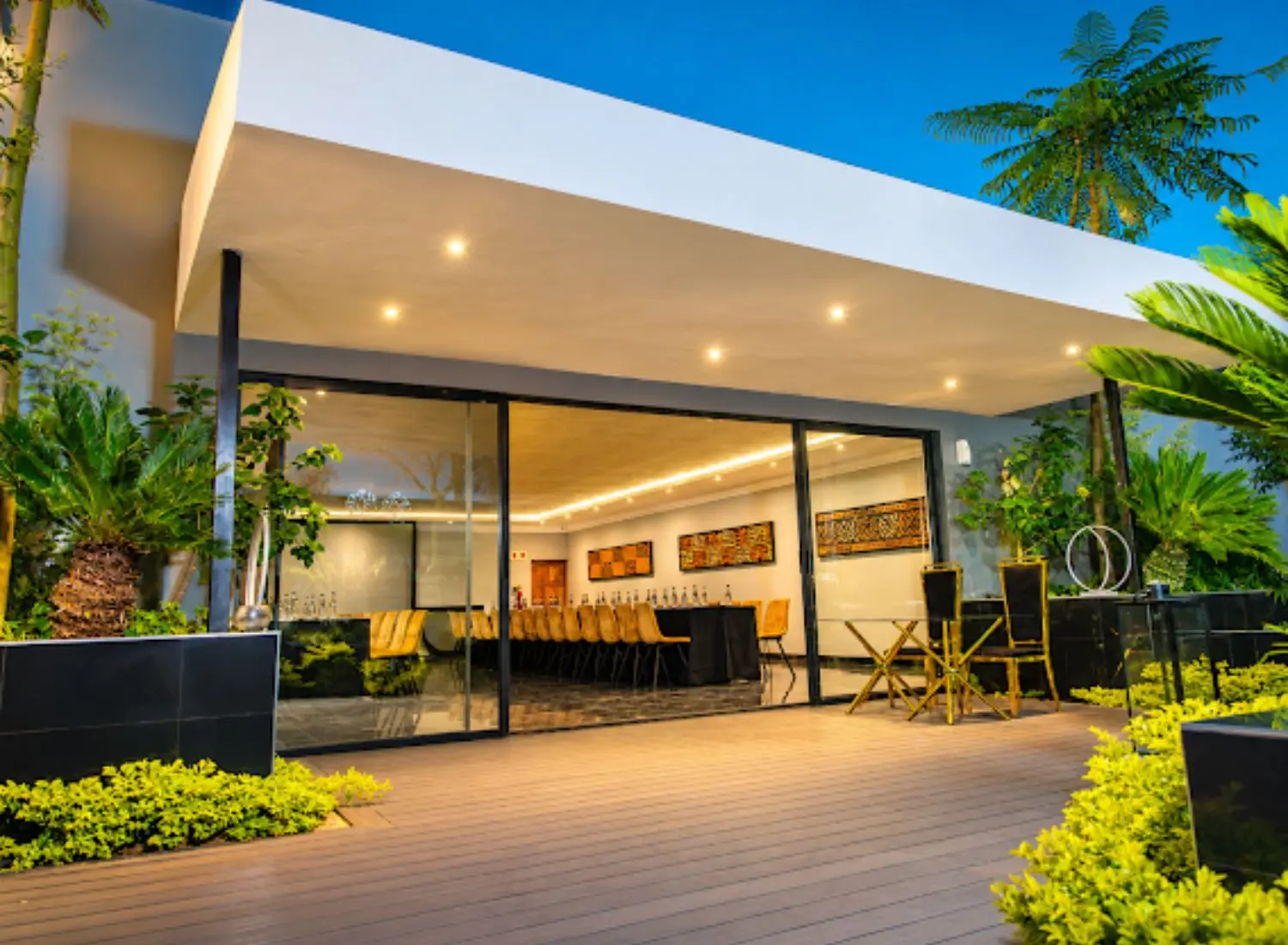
Many events combine keynote presentations, workshops, breakout discussions, team building,exhibitions and networking sessions, each requiring a different environment. A venue with flexible meeting spaces makes these transitions far easier to manage.
Look for venues that offer multiple room sizes and layouts that can be adapted to suit different activities. Whether you need classroom seating for training, theatre-style seating for presentations or boardroom layouts for smaller discussions, flexibility ensures the venue works around your programme rather than forcing your programme to fit the venue.
It’s also helpful when conference spaces can transition into evening functions. Keeping networking events or dinners in the same venue simplifies logistics and creates a more seamless experience. A big win is having hotel accommodation at the conference venue.
As conferences place greater emphasis on delegate wellbeing, many organisers also value quiet breakout areas where attendees can catch up on work, take calls or simply step away from busy sessions for a few minutes.
4. Evaluate technology and sustainability before you book your function
Technology is now a fundamental part of almost every conference.
Reliable Wi-Fi, quality sound systems and professional presentation equipment are no longer optional extras. If your event includes virtual attendees or guest speakers joining remotely, you’ll also need a venue capable of supporting hybrid conferencing without technical interruptions.
Before confirming a booking, ask what technical support is available on the day and whether equipment is included or charged separately. Understanding exactly what’s provided helps avoid unexpected costs and reduces the likelihood of last-minute issues.
Sustainability is another area receiving increased attention from organisations planning events.
Many companies now include environmental considerations in their selection process. Asking about recycling programmes, energy-efficient lighting, water-saving initiatives and other sustainability practices provides a better understanding of how a venue aligns with your organisation’s environmental commitments.
5. Make use of local knowledge
Choosing a venue isn’t simply about comparing quotes. Local Convention and Visitors Bureaux (CVBs) and Destination Marketing Organisations (DMOs) provide valuable information about venue availability, accommodation options, transport providers and local suppliers. They may also be aware of tourism incentives or funding opportunities available for qualifying events.
When reviewing proposals, take time to understand exactly what’s included. Comparing conference venue facilities on price alone can be misleading if packages differ. Reading contracts carefully and discussing supplier flexibility early in the process can help avoid misunderstandings later.
Use an electronic Request for Proposal (RFP) to compare responses consistently and identify the option that offers the best overall value.

6. The right venue supports the entire event
Finding the right conference venue is about far more than choosing an attractive space. The best venues align with your objectives, fit your budget, provide convenient access for delegates, offer flexible facilities and have the technology needed to support your programme from start to finish.
Taking a structured approach to conference venue facility selection makes it easier to compare your options and gives your event the strongest possible foundation for success.
If you’re planning your next conference, request a proposal or book a site visit to explore our conference facilities and discuss how we can help bring your event together.