
When planning a conference, it’s easy to default to an entirely indoor agenda. Meeting rooms, presentations, breakout sessions, lunch and networking often happen under one roof simply because that’s how conferences have traditionally been organised, but outdoor areas are rarely considered as part of the overall programme.That can be a missed opportunity.
Outdoor spaces aren’t an alternative to well-equipped conference facilities. They’re a complement to them. When used intentionally, they can improve concentration, encourage fresh thinking, make networking feel more natural and help delegates stay engaged throughout the day.
In this article, we’ll look at the research behind outdoor environments, why natural light matters during long conference days, how outdoor settings change the way people interact and practical ways to build outdoor moments into a conference agenda.
1. Why Short Outdoor Breaks Can Lead to Better Ideas
Long periods of sitting and listening demand a great deal of mental energy. Even the most engaging presentations become harder to absorb when delegates move from one session straight into the next without a genuine mental reset.
Research increasingly shows that stepping outside can help.
A 2026meta-analysis published in PLOS One examined the relationship between walking and creative thinking. Across multiple studies, researchers found that walking consistently improves creativity, with outdoor walking producing an even greater effect than walking indoors.
One of the most useful findings for conference organisers is that the improvement doesn’t end when the walk does, making a short outdoor break before brainstorming sessions, strategy discussions or collaborative workshops a practical way to encourage fresh ideas.
Exposure to nature also appears to benefit performance more broadly. A University of Exeter-led study found that introducing plants into previously plant-free office environments increased employee productivity by 15%. Although conferences are very different from offices, the principle is similar: even brief exposure to natural elements can help people feel more focused and mentally refreshed.
Rather than treating outdoor breaks as empty time in the schedule, organisers can use them deliberately. A ten to fifteen-minute walk through gardens or an outdoor coffee break between intensive sessions may help delegates return with greater attention and a stronger willingness to participate.
2. Natural Light Helps People Stay Energised
Anyone who has attended a full-day conference knows that concentration often starts to dip during the afternoon. While good speakers and interactive sessions help, the physical environment also plays an important role.
Natural light helps regulate the body’s circadian rhythm, which influences alertness, mood and energy levels. Spending time outside during the day, or simply moving into naturally lit spaces, can help people feel more awake and maintain focus over longer periods.
This preference is reflected in workplace research as well. Gensler’s Global Workplace Survey 2025 found that access to natural light and operable windows was the environmental feature employees valued most, ranking even higher than indoor greenery.
For conference organisers, that doesn’t mean every session should take place outdoors. Instead, it highlights the value of creating a rhythm throughout the day. Indoor meeting rooms provide the right setting for presentations and workshops, while outdoor spaces offer delegates a chance to recharge before returning to the next session.
3. Outdoor Settings Make Networking Feel More Natural
Some of the most valuable conversations at conferences happen outside the formal agenda.
They happen over coffee, while walking between sessions, during lunch or while reflecting on a presentation with someone new.
Outdoor environments naturally support these moments. Open spaces tend to feel less formal than meeting rooms or hotel foyers, making it easier for delegates to strike up conversations, continue discussions or meet people outside their usual professional circles.
This matters because networking isn’t just about exchanging business cards. Many partnerships, collaborations, and business opportunities begin with relaxed conversations that weren’t part of the official programme.
Creating opportunities for these interactions can make a conference feel more memorable and more valuable for everyone attending.

4. Small Changes Can Have a Big Impact
You don’t need to redesign your entire conference to benefit from outdoor spaces. Often, it’s the smaller decisions that make the biggest difference.
Consider incorporating outdoor moments such as:
- Morning coffee or registration in a garden or courtyard.
- A short outdoor break between keynote presentations.
- Walking discussions for small leadership groups.
- Lunch served outside where practical.
- Networking drinks in an open-air setting.
- Informal catch-up spaces where delegates can continue conversations between sessions.
- Team building can also take part in outdoor settings.
These moments provide a natural change of pace while helping delegates return to the next session feeling refreshed rather than mentally overloaded.
5. Great Conferences Balance Indoor and Outdoor Experiences
Successful conferences are rarely about one element alone. Strong content, capable speakers, good planning and comfortable facilities all contribute to a productive event. The environment, however, influences how delegates experience everything else.
Professional indoor spaces provide the structure needed for presentations, workshops and focused discussion. Outdoor environments create opportunities for delegates to reset, think differently and connect with one another in more relaxed ways.
When both are built into the programme with intention, conferences often become more engaging, more collaborative and more memorable.
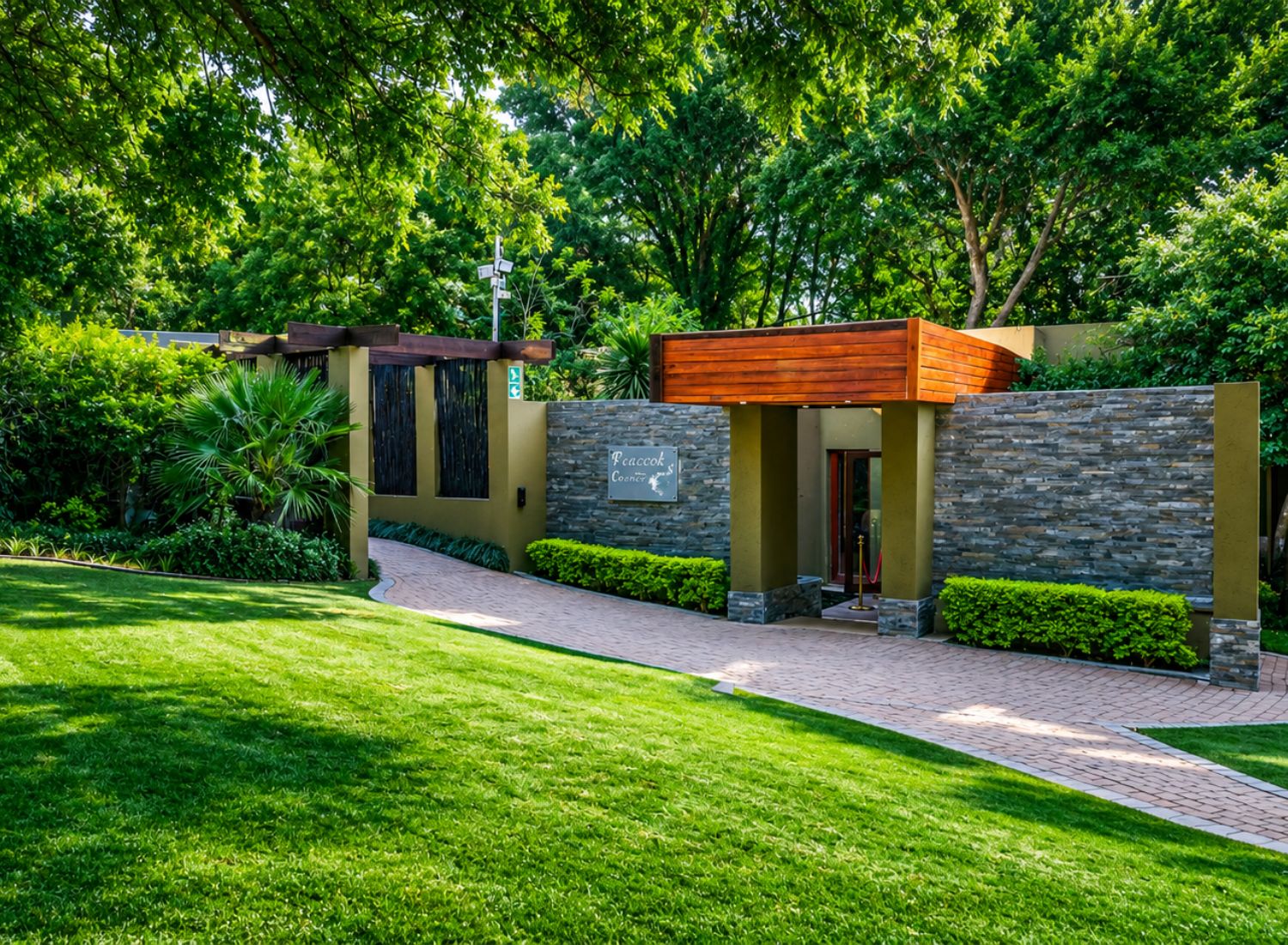
At The Garden Venue, our conference facilities are designed to make this balance easy, after all it’s in our name. Delegates can move seamlessly between fully equipped indoor conference venues and beautifully landscaped outdoor spaces throughout the day, creating an environment that supports productive meetings as well as meaningful conversations.
Contact us to arrange a viewing or discuss your conference requirements.