
Planning a successful corporate event begins long before delegates arrive. Whether you’re organising a conference, team building, year end function, strategy session, awards evening, product launch or year-end celebration, a well-written event brief is the foundation of a smooth event. It gives your event venue and suppliers the information they need to prepare accurate proposals, allocate the right resources and avoid unnecessary surprises on the day.
South Africa continues to be one of Africa’s leading business events destinations, with Johannesburg hosting thousands of corporate meetings, conferences and functions every year. While every event is different, the most successful ones usually have one thing in common: a clear, detailed brief.
1. Start with a clear corporate event overview
Begin with the basics. Your brief should explain what the event is, when it will take place, how many people will attend and how the day is expected to run. Include the event type, preferred date, alternative dates if available, start and finish times, setup access and an estimated delegate count. If your event includes multiple sessions or changes in room layout during the day, mention this from the beginning.
2. Define the purpose of your corporate function
A venue can deliver a better experience when it understands the purpose behind the event. Explain whether the objective is to launch a product, communicate strategy, recognise employees, train staff or strengthen relationships with clients. If your business measures attendance, engagement or feedback scores, include those goals as well.
3. Describe your audience
Who is attending influences catering, seating, accessibility and the overall tone of the event. Include delegate profiles, executive attendance, dietary requirements, accessibility needs and any VIP guests requiring special arrangements.
4. Outline your venue requirements
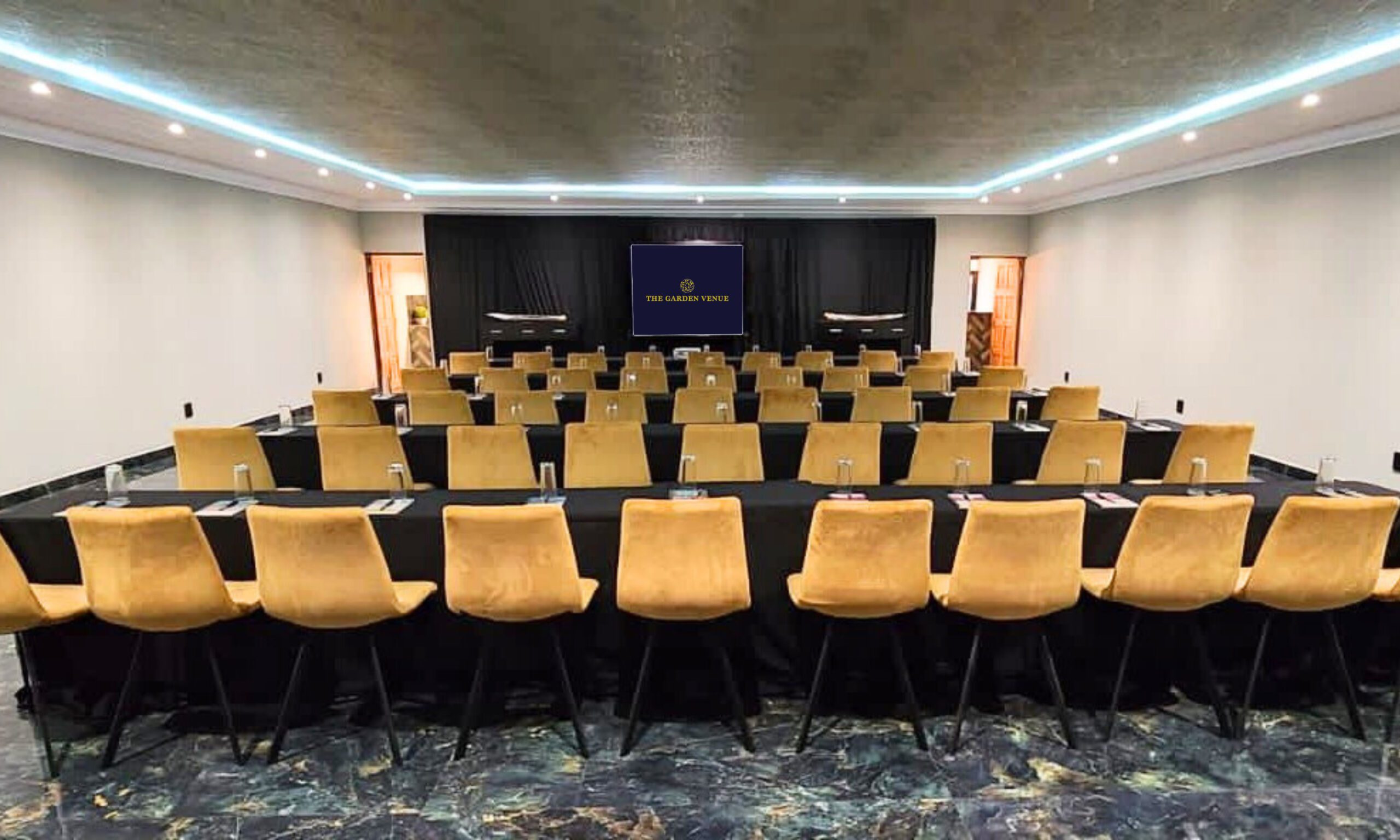
Specify seating style, indoor or outdoor preferences, audiovisual requirements, parking needs, accommodation requirements and backup power expectations. Always keep in mind venue ambience does matter. Providing these details early helps venues prepare accurate recommendations rather than generic proposals.

5. Include a realistic budget for a function facility in Johannesburg
Sharing your budget saves time for everyone. Include an overall budget or a per-person spend where appropriate, and note any services being supplied by external vendors. Mention procurement or payment requirements if they could affect booking timelines.
6. Provide an event timeline
Even a draft programme helps venues coordinate staffing, catering and room transitions. Include registration, presentations, breaks, meals, networking sessions, setup times and breakdown requirements.
7. List your non-negotiables
Clearly identify requirements such as B-BBEE compliance, Halal or Kosher catering, branding guidelines, exclusive venue use or security protocols. These should form part of the initial brief rather than becoming last-minute requests.
8. Review the proposal carefully
Once you receive proposals, check that each one addresses your objectives, logistics, technical requirements, catering and budget. A corporate event proposal that responds directly to your brief is usually a strong indicator that the venue understands your event.

9. Final decisions on your event brief
A complete brief won’t guarantee a perfect event, but it reduces the chances of avoidable problems. Clear communication at the planning stage leads to better proposals, smoother coordination and a better experience for delegates.
At The Garden Venue, we encourage event organisers to begin with a detailed brief. Our experienced events team works closely with businesses across Johannesburg to transform ideas into successful corporate events. We boast 12 award winning corporate event venues that host 10 to 450 delegates.
If you’re ready to start planning, book a site visit or speak to our corporate events team to discuss your requirements.