
Planning a conference can feel like juggling dozens of moving parts at once. You’re balancing budgets, venues, speakers, catering, registrations, technology, timelines and attendee expectations, often while trying to keep multiple stakeholders happy.
Whether you’re organising a leadership summit for 30 executives or a multi-day conference for several hundred delegates, the process becomes far more manageable when you tackle it one step at a time.
This guide walks through the entire planning journey, from defining your objectives and choosing the right format to coordinating logistics and evaluating your event once it’s over. Whether it’s your first conference or your fiftieth, these steps provide a framework you can adapt to almost any corporate event.
1. Start with clear objectives
Every decision you make should support the purpose of your conference. Are you running a training seminar? What about a product launch or networking?
Before looking at venues or contacting speakers, establish exactly what success looks like. For example training seminars, product launch, staff training, award ceremony, generating leads through a networking event, strengthening staff relationships through teambuilding, celebrating the company results through a year-end party?
Once you’ve identified the corporate event’s purpose, define measurable goals. These might include delegate numbers, attendee satisfaction, leads generated, sponsor value or post-event sales opportunities.
Clear objectives also make budgeting easier. Corporate investment in live events has increased in recent years as organisations place greater value on face-to-face engagement. Rather than simply repeating last year’s event, build a conference that reflects your current business priorities and the outcomes you want to achieve.
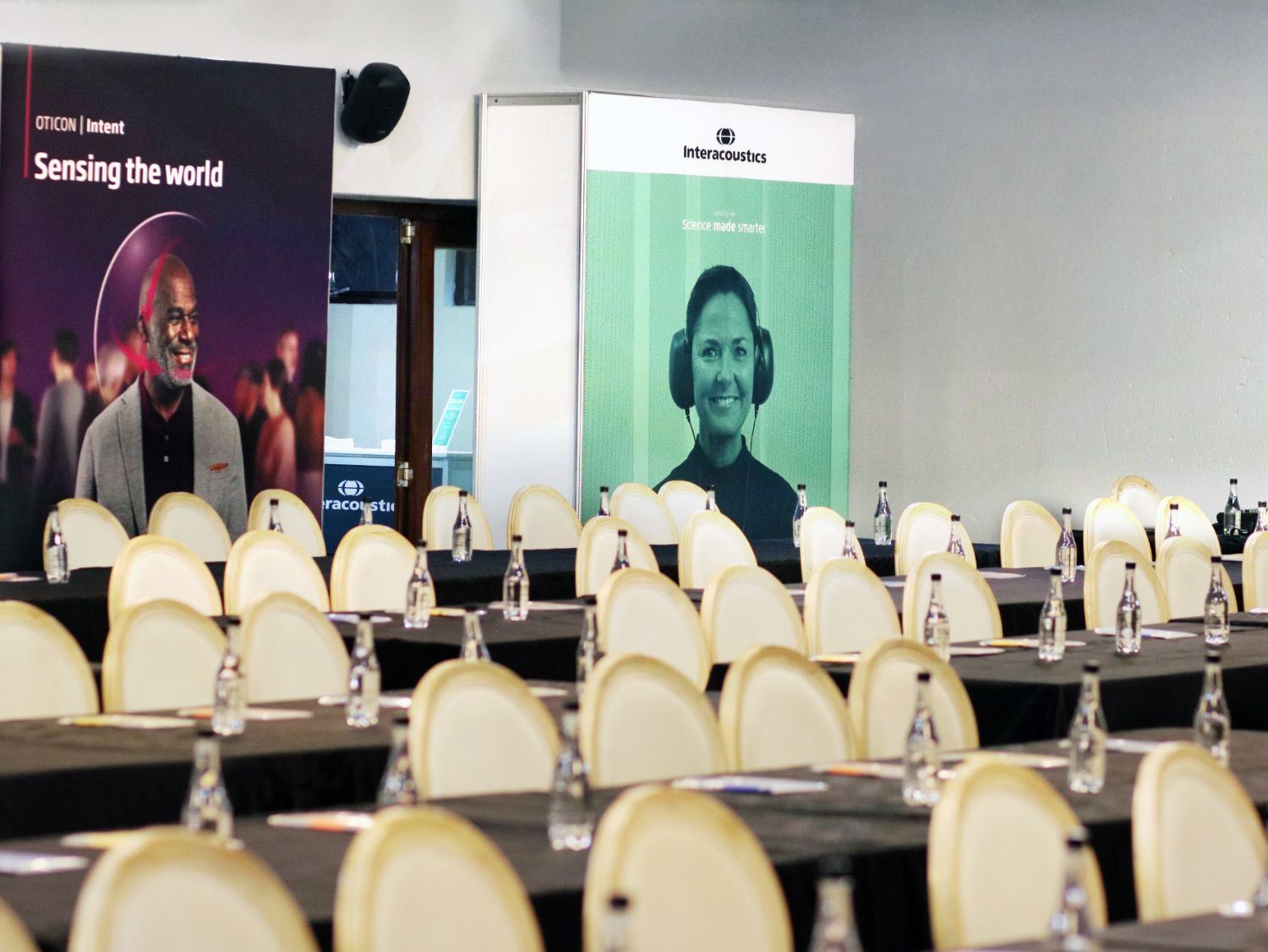
2. Choose a theme that gives the event direction
A conference theme isn’t simply a slogan or design concept. It provides a thread that connects every part of the event.
The right theme should reflect your organisation’s goals while speaking directly to your audience’s interests. It should also help potential delegates understand why your conference is worth attending.
Once you’ve settled on a theme, carry it consistently through your marketing, presentations, décor, signage and speaker content. When every element supports the same message, the event feels more cohesive and memorable.

3. Decide which function format best serves your audience
Not every conference needs to look the same. For some organisations, bringing everyone together in one conference venue delivers the greatest value through networking, collaboration and relationship building. Others may benefit from a hybrid approach that allows remote attendees to participate.
When deciding between an in-person, virtual or hybrid conference, consider your audience first. Think about where delegates are travelling from, how important networking is to the event and whether online participation genuinely adds value or simply increases complexity.
Technology has made hybrid events easier to deliver, but the format should always support your objectives rather than dictate them.
4. Build an agenda that keeps people engaged
A full schedule doesn’t necessarily make for a successful conference.
The strongest programmes balance learning with opportunities to connect, reflect and recharge. Alternate keynote presentations with panel discussions, workshops and networking sessions to maintain energy throughout the day.
Don’t overlook the importance of regular breaks. Delegates absorb more information when they’re given time to reset, enjoy refreshments and continue conversations outside the conference room.
If your event includes virtual attendees, make sure the programme accommodates different time zones where possible and includes opportunities for online interaction, such as live polls, moderated chats and Q&A sessions.

5. Put the right people in charge
Conference planning is a team effort.
Rather than trying to oversee every detail yourself, assign clear responsibilities from the outset. Depending on the size of the event, you may need people responsible for logistics, registrations, marketing, speaker management, sponsorships and technical support.
Create a master timeline that identifies major milestones and deadlines, then hold regular planning meetings to keep everyone aligned.
It’s also worth recognising where outside expertise can improve the event. Many organisations partner with specialist suppliers for audio-visual production, staging, photography or event technology rather than managing every aspect internally. Alternatively, the trend is increasingly towards using conference venues which act as a one stop shop, providing for all your conference need requirements.
6. Choose a venue that supports your conference objectives
The venue influences far more than the location of your conference.
It affects delegate comfort, networking opportunities, technology requirements, catering quality and the overall experience from arrival to departure.
Begin your venue search as early as possible, particularly if you’re planning a conference during peak corporate event seasons when the most popular dates are booked well in advance.
As you compare venues, consider practical factors such as room capacity, layout flexibility, parking, accessibility, internet reliability, audio-visual facilities and backup power. Sustainability initiatives have also become increasingly important for many organisations, making them another worthwhile consideration during the selection process.
A venue that supports both your logistical requirements and the experience you want delegates to have will contribute significantly to the success of your event.
Even the best conference won’t attract delegates without effective promotion.
Develop a marketing strategy that reaches your audience through multiple channels, including email campaigns, social media, digital advertising and industry partnerships.
Rather than listing speakers and session times, focus your messaging on the value attendees will gain. Will they leave with practical skills? New industry insights? Valuable business connections? Those benefits are often far more persuasive than the programme itself.

7. Stay Ahead of the Logistics
The smoother the conference runs, the less delegates notice the planning behind it.
Long before attendees arrive, confirm with:
- delivery schedules,
- room layouts, registration processes,
- catering requirements,
- signage, equipment testing
- speaker logistics.
It’s equally important to prepare for the unexpected. Technical failures, delayed flights, speaker cancellations and power interruptions are all possibilities, so contingency planning should form part of every conference plan.
Accessibility should also be considered from the beginning. Making the venue easy to navigate and ensuring delegates can fully participate creates a more inclusive experience for everyone attending.
8. Make your conference interactive
The most memorable conferences encourage participation rather than passive listening.
Build opportunities for delegates to contribute through live polling, moderated Q&A sessions, workshops and structured networking activities. These interactions help attendees remain engaged while creating valuable opportunities to exchange ideas.
When selecting keynote speakers, think carefully about the experience you want delegates to leave with. Some audiences are looking for practical expertise they can apply immediately, while others value speakers who inspire fresh thinking or challenge conventional ideas.
If you’re using an event app, make the most of its features. Personalised schedules, session reminders and networking tools can enhance the attendee experience without becoming a distraction.
The final presentation isn’t the end of the planning process.
Once the event concludes, gather feedback while the experience is still fresh. Surveys, speaker evaluations and session ratings provide valuable insight into what worked well and where improvements can be made.
Review attendance data alongside your original objectives to determine whether the conference achieved its goals.
Finally, compare actual expenditure against your budget and prepare a post-event report that captures lessons learned. Taking the time to evaluate each conference makes planning the next one considerably easier.
9. Use technology to simplify the process
Conference management software has become an invaluable tool for organisers managing multiple tasks simultaneously.
Instead of relying on spreadsheets and disconnected systems, modern platforms bring registrations, attendee communication, scheduling, reporting and check-ins together in one place.
Many solutions also automate administrative tasks such as badge printing and self-service registration, reducing queues and creating a smoother arrival experience.
If integrated with your CRM, event software can also help track leads after the conference and demonstrate the longer-term business value of your event.
10. Bringing it all together
Successful conferences rarely come down to one outstanding speaker or an impressive venue. More often, they’re the result of careful planning, thoughtful decision-making and strong execution from beginning to end.
Each of these nine steps builds on the one before it. Clear objectives shape better decisions, good planning reduces unnecessary stress, and thorough evaluation improves future conferences.
Following a structured process gives you the flexibility to adapt without losing sight of what matters most: creating an event that delivers genuine value for your delegates and meaningful results for your organisation.
The Garden Venue offers a range of flexible conference spaces, experienced event coordination and purpose-built facilities designed to support everything from executive meetings to large corporate conferences. We are a one stop shop managing all the aspects of your corporate event.
Contact our team to arrange a site visit or request a tailored proposal for your next event.